Human Anatomy by : Dr. Sourav Kumar (Ambala; Haryana)
Editor & Reviewers



Perspective view: A comprehensive exploration of Human Anatomy within the framework of alternative medical science. This examination delves into the intricacies of human bodily structures and their functions, while considering the unique approaches and methodologies employed in alternative healing practices.
**Title: Perspective View: Human Anatomy in Alternative Medical Science**
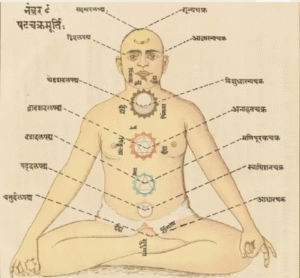
In the realm of healthcare, human anatomy serves as a foundational pillar. However, traditional anatomical perspectives often differ significantly from those proposed by alternative medical sciences. This divergence invites exploration into how various disciplines comprehend the human body, informing both diagnostic and therapeutic practices.
Alternative medical systems, such as Traditional Chinese Medicine (TCM) and Ayurveda, prioritize a holistic approach to anatomy. Unlike conventional Western medicine, which focuses extensively on physical structures and biochemical processes, these systems integrate spiritual, emotional, and environmental factors into their understanding of human health. For instance, TCM emphasizes the concept of Qi (vital energy) and the meridian system, theorizing that health stems from the harmonious flow of energy throughout the body, rather than solely from anatomical integrity.
Ayurveda, rooted in ancient Indian philosophy, presents a similar holistic perspective. It categorizes human anatomy based on the interplay of the three doshas—Vata, Pitta, and Kapha—each representing different elemental qualities. This framework underscores the balance necessary for optimal health and recognizes the individual variations in anatomy and physiology that may influence treatment strategies.
Furthermore, practices such as Electrohomeopathy and osteopathy advocate for the body as a self-regulating organism. These approaches emphasize the interdependence of bodily systems, asserting that disruptions in one area can cause cascading effects throughout the entire system.
In summary, the alternative medical science perspective on human anatomy recognizes the complexity of the human body beyond its physical components. By embracing a multifaceted approach that incorporates energetic, emotional, and environmental dimensions, alternative medicine offers valuable insights that can complement and enrich our understanding of human anatomy and health. Encouraging dialogue between traditional and alternative practices may lead to more integrative healthcare solutions, ultimately benefiting patient outcomes.